Paper folding and shape fitting games: which one for which age
The spatial reasoning games parents look for usually rest on one of three moves: folding paper, dropping a piece into a gap, or turning a piece until it fits. In all three, your child has to picture the result before making the move. Below are six free games built on those moves. I've sorted them by age based on how each one plays, and the end of the guide covers what you can ask while sitting beside your child.
Three moves, three kinds of thinking
These games look alike from the outside, but each asks for something different.
Folding: where does it land?
In paper folding games you flip an edge or a piece over to the other side. It lands face down somewhere new. The question your child has to answer is simple to say and harder to do: when this flap closes, which gap will it cover? Order matters too, because flaps folded in the wrong order pile on top of each other.
Fitting: which edge goes where?
The piece arrives in a fixed shape and your child carries it to the right slot. Edges and angles matter more than color. The simplest version is one piece, one slot.
Rotating and sequencing
In some games you turn a piece until it fits the gap. In others there's no rotation at all, and the challenge becomes planning which piece goes where, and in what order. Both ask your child to think a few moves ahead.
Which one for which age
The groups below aren't strict. If your child is enjoying a step, there's no reason to rush past it.
Preschool: one piece, one slot
Tri Puzzle is the best starting point at this age. The game's own notes point to preschool and the first school years; no reading is needed, a wrong piece slides back and there's no penalty. The first levels of Paper Fold are also very simple and use no text at all.
Ages 6-9: folding order and rotation
As the folding levels progress, order starts to matter, and kids this age can begin thinking about which flap should close first. The lunch box game adds rotation: on a phone you drag with one finger and turn a piece with two.
Ages 10 and up: planning without rotation
In the wooden and pixel block puzzles, pieces go down exactly as they arrive. The run ends when none of your pieces fit, so you have to read the grid a few moves ahead. Both work as calm puzzles for adults too.
Game picks
Tri Puzzle
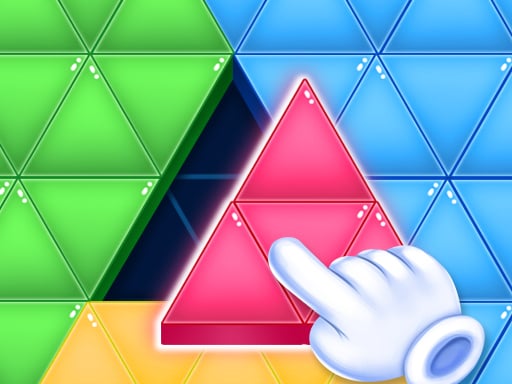
Colorful triangles and blocks are dragged into empty slots on a central shape. In the right slot a piece locks in; in the wrong one it slides back. No timer, single player, and it works with a finger on phones. The game's tip is spot on: look at the angle of the edge, not the color, since several pieces can share a color.
Paper Fold
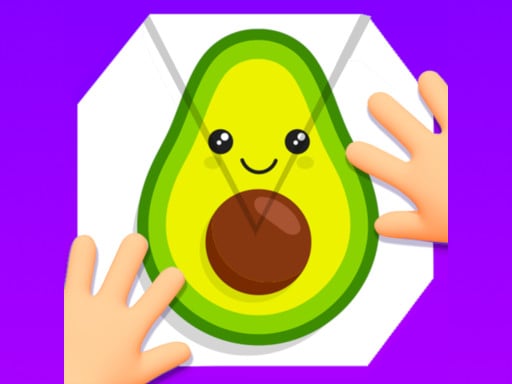
You grab an edge of a paper with holes and drag it toward the middle; the flap folds over and fills the gap underneath. Fold in the wrong order and pieces overlap, so you undo and try again. There's no time limit. Paper Fold rewards folding from the outside in, because starting in the middle locks up later moves.
Paper Fold Super Smart
No dragging edges here: you tap a piece and it folds onto its neighbor. The number of pieces grows level by level, and the puzzle turns more and more into planning a sequence. Playing Paper Fold Super Smart right after the previous game is an easy way to show two versions of the same idea.
Lunch Box Ready
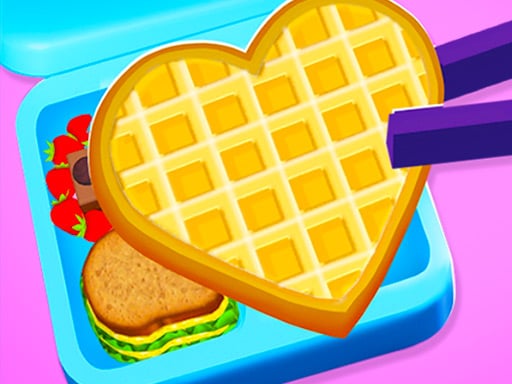
Sandwiches, fruit and snacks have to fit into the box with no gaps. Pieces can be rotated: on a phone you drag with one finger and turn with two. If something is left over, you break up the layout and try again. Lunch Box Ready is the one game on this list where rotation is the main job.
Woody Block Puzzles
Three wooden pieces arrive at a time, and completing a full row or column clears it. Pieces can't be rotated and there's no timer; the only thing that ends a run is running out of space. Woody Block Puzzles asks your child to think about all three pieces together, placing them with the whole set in mind rather than one by one.
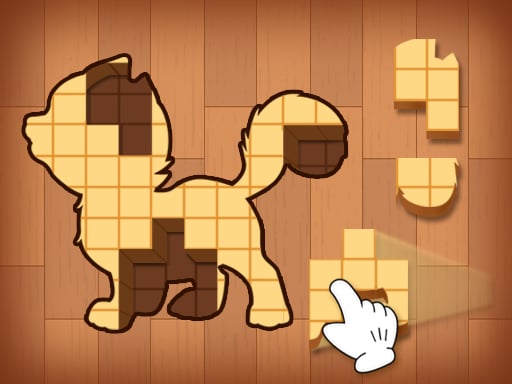
PixelBlock
The same placement idea with a pixel picture behind the grid. Every cleared line knocks another chunk off the picture, which makes progress easy to see. Pieces arrive fixed, and there's no timer. The game's own advice for PixelBlock is to keep an empty column on the edge for long pieces. For more tactics of this kind, our block puzzle tactics article goes into detail.

Sitting beside your child
Your job here isn't to give the answer. It's to create a short pause before the move.
- Ask for a guess: 'If you fold this, where will it land? Point with your finger.' Then check together.
- Keep undo guilt-free: a wrong move is cheap in these games, and most have no penalty.
- Think out loud: when you get stuck yourself, say 'I'll put the corner first, then the middle will be clearer.'
- Move to the table: fold a real sheet of paper in half, draw a mark on it, and guess where the mark will show up before you open it.
- Pack a real lunch box together: the game's 'big items first' idea works in the kitchen too.
What to do when stuck
The games' own tips tend to point the same way: work from the outside in and start with corners. In folding, the outermost pieces usually close first. In fitting, corner and edge pieces make the middle gaps clearer. In block puzzles, avoiding one-cell holes keeps the grid open. If your child gets stuck on the same spot three times in a row, replaying an easier earlier level is better for morale than pushing on. For other games about pieces and edges, see our jigsaw puzzle tips; for puzzles solved by planning, read problem-solving games for kids.
Time and setting
All six are single-player, open in the browser and work with touch on phones. None has a countdown. For younger kids that removes the rush, but it also means the game never ends by itself. Limiting a session by levels helps: 'three more levels' is a clear stopping point. For younger children, colors and shapes games make a good earlier step, and you'll find similar titles in the educational games category.
Checklist
- Which move does your child enjoy most: folding, fitting or rotating?
- Does a wrong move bring a penalty, or does the piece just slide back?
- Did you ask for a guess before the move?
- Have you tried the same idea at least once with real paper?
- Is the session limited by number of levels?