Games that teach colors and shapes, plus what to ask while your kid plays
Looking for colors and shapes games for a preschooler? The ones that work best ask your child to find a color or a shape and move it to the right spot, and they don't end the game after a wrong answer. Six of them are below. The bigger difference, though, comes from you. The screen says "great job" and moves on; when you ask "what color is that, and what else in the kitchen is that color?", the game turns into a conversation. This guide gives you those questions too.
Three different skills hide under one label
These games look alike, but they ask for three separate things.
- Color names: "find the red one" or dropping an object into the bucket of the same color. Your child sees a color and links it to a word.
- Shape spotting: the triangle goes in the triangle hole, the circle in the round one. No color hint here, only edges and corners.
- Shadow matching: looking at a gray silhouette and working out which colorful piece fits it. This is the most abstract of the three.
Most kids are comfortable with color names first, slow down a little with shapes, and ask for help with silhouettes.
Practical tips by age
A rough map based on how the games play, not strict limits. If a step is fun, stay there.
Ages 2-3: one color, one tap
At this age, dragging something across a screen is a skill of its own. Start with free coloring so your toddler sees that a finger leaves a mark. Then move to a single-step color match. Keep sessions short and play with your child on your lap, your hand guiding theirs.
Ages 4-5: shapes and silhouettes
Once most color names are in place, it's time for shapes and shadows. What matters here is that a wrong piece simply slides back. With no penalty, kids are much happier to try again.
Ages 5-6: sorting and speed
Grouping colors and thinking a couple of moves ahead can click at this age. A faster game that ends on a mistake is also worth a try, as long as losing doesn't spoil the mood.
Game picks and what each one practices
Kids Education
A small collection with color, shape, number and letter sections. In the color part your child drags an object into the matching color bucket; in the shape part, into the right hole. A wrong answer doesn't end the game, and correct ones earn stars. Object names are spoken aloud, so keep the sound on. It runs on phones too. Kids Education makes a good first stop.
Kindergarten Kids Learning Games
Counting, shape recognition and coloring activities in one menu, each one a separate mini game. There's no losing and no timer. Menus and narration are in English, which suits English-speaking families nicely: your child hears "blue" and can repeat it back to you. With very young kids, open the coloring and shape activities first; the counting ones are a bit harder. Kindergarten Kids Learning Games works with touch on phones and tablets.
Animal Shape Puzzle
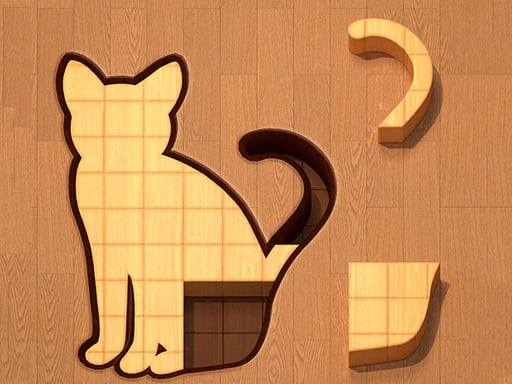
An animal silhouette appears at the top, and your child picks matching pieces from below and drags them in. A wrong piece returns to its place, and nothing is timed. No reading needed. Early shapes are simple; later ones have more pieces that look alike. Animal Shape Puzzle is the calmest shadow-matching game here, so say the animal's name together after each one.
Color Ring Sort
Rings are mixed up on sticks, and the goal is to gather each color on its own stick. A ring can only go on an empty stick or on top of the same color. The first levels use very few rings, and there's an undo button. It turns telling colors apart into building order, so Color Ring Sort is a nice next step for five and six year olds.

Match The Shapes
The only game on this list with real pace. Shapes keep coming, and your child swaps the shape they hold to meet each one with its twin. Hit the wrong shape and the round is over, and things speed up as you go. On a phone you tap the left or right side of the screen. It fits older preschoolers who already know their shapes and don't mind losing. Match The Shapes shows the gap between knowing a shape and spotting it fast.

Coloring And Learning
Color ready-made pages, draw freely on a blank one, or paint glowing patterns with a neon brush on a dark background. According to the developer there are over 250 pages, grouped into themes like animals, vehicles and flowers. An eraser and an undo button fix slips. This is the easiest place to talk about color names, because nothing is right or wrong. Coloring And Learning can be painted with a finger on a phone.
Questions to ask while you play together
The game gives a cue, your child answers, the game moves on. You fill the gap in between. A few ideas:
- In a color game: "What color is this bucket? Can you find something in the room that's the same color?" Sending them off the screen ties the color to a real object.
- In a shape game: "How many corners does it have? Count them with your finger." Waiting for "none" when the circle turns up is half the fun.
- In a shadow game: "Before you drop the piece, what animal do you think it is?"
- In ring sorting: "If you put this ring there, what happens next?" Thinking one move ahead out loud is plenty.
- While coloring: "Why is your sun yellow? What would a purple sun look like?" You're not after a right answer here, just a chat.
If your child gets stuck, don't jump in with the answer. Wait five seconds, then offer two options: "Blue or green?" Choosing between two feels more like their own win than repeating what you said.
Notes on time, sound and helping
Most of these games have short rounds, so a few rounds and then stop usually ends better than one long stretch. Leave the sound on, since hearing object and color names is half the point. When your kid is stuck, point at the right piece rather than playing for them, and let them do the dragging. For choosing sites in general, read Safe Browser Games for Preschoolers, and for more activities, see the preschool games guide.
Parent checklist
- Does a wrong answer end the game? For little ones, pick one that doesn't.
- Is reading required? Picture-based cues are easier before school.
- Drag or tap? In the first days, one-tap activities cause less frustration.
- Is the sound on? Hearing the names matters for learning them.
- Are you sitting nearby? Your questions are the most valuable part.
- Did you say when the session ends before it started?
For a wider selection, browse the educational games and kids games categories, or the skill-by-skill list in the educational games guide.
Frequently asked questions
Which game should we start with for learning colors?
Start with one that doesn't end on a mistake and says object names out loud. The color section of Kids Education is a good first step, and free coloring is a relaxed place to chat about color names.
My child always rushes the shape game and gets it wrong. What now?
Swap the fast Match The Shapes for a silhouette game with no timer, and ask your child to name the piece before placing it. Bring speed back once shapes feel easy.
Do these games need reading skills?
No. These games rely on pictures, sound and dragging, so a non-reader can follow along.