What to play with your kid on one screen: turn based, team up, no fights
The best games to play with your kids are the ones where you take turns or chase the same goal together: Ludo, memory cards, tic-tac-toe, dominoes and platformers where two characters move as a team. Nobody shoots anybody, a round lasts a few minutes, and the grown-up can slow down as much as needed. The real question is less which game to pick and more which side you play, and how. Below are eight picks sorted by age, followed by practical ways to balance winning and losing.
What makes a good parent and child game?
A game that works well between two adults quickly becomes lopsided between an adult and a six year old. So these were our criteria:
- Turn based or cooperative, so nobody races past a child who is still thinking.
- Short rounds, so a child who loses can ask for a rematch right away.
- No violence; the opponent is a token, a card or a slice of pizza.
- Little or no reading needed.
- One device only, with no second phone or account.
All eight games below are two player games, all run on phones too, and none needs a second device. Two of them test reflexes; we flag those separately because adults are usually faster.
Picks by age
The ages are a rough guide based on how each game works. You know your child best: some four year olds love dominoes and some nine year olds keep coming back to memory cards.
Ages 4 to 6: take turns, no reading
Mischievous Pairs is the first choice here. Pick the two player mode in the menu; you take turns flipping cards, and whoever finds a match scores and goes again. It runs entirely on pictures, so no reading is needed. Be aware that levels have a timer; with a young child, the first levels are plenty. For card remembering tricks, see our memory game tips.

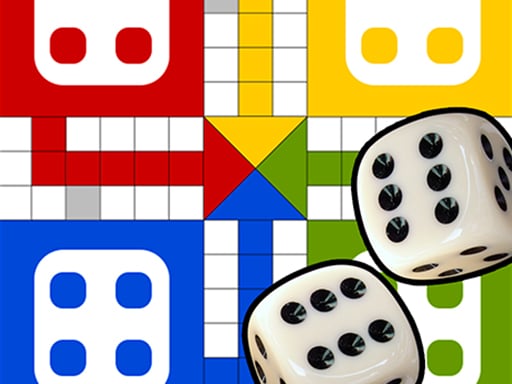
Ludo Classic practises counting pips and waiting your turn at the same time. It is played in turns on the same device; let your child roll and choose the token together. For kids who get upset when a piece is sent home, it is a gentle rehearsal: the token comes back out and the game carries on. Keep our Ludo rules handy for the details.
Roshambo is rock paper scissors, a game kids already know. On a phone each player taps the three symbols on their own side, both choices are revealed together, and the first to three points wins. It is pure chance, so the adult has no edge at all, which is a big relief for a small child.

Ages 7 to 9: quick head to heads
tictactoe rounds last a few seconds and teach a first real strategy: when your opponent has two in a row, block it before anything else. Because each round is so short, playing five in a row feels natural. Our tic-tac-toe and battleship rules sum up the basics.

Domino Legend is all about matching numbers; you drag a tile to one end of the chain. It includes two variants, block and draw. A seven tile hand can feel crowded to a child at first, so in the early rounds sit on the same side and look for the tile that fits together.

Pizza Challenge and Rabbit Punch Rabbit are the two reflex games on the list. In one you press your key, or tap your half of the screen, the moment a slice lines up with you; in the other, the first to tap a rabbit that pops up for an instant gets the point. Despite the name, all you do is tap a cute bunny. Both split the phone screen in two. Short, noisy rounds make them perfect for five minutes before dinner.


Ages 10 and up: same team
Pig Bros Adventure is the only fully cooperative game here. The door only opens once the two pig brothers have collected every diamond, and high diamonds may mean one pig standing on the other's head. Player one uses A, D and W, player two the arrow keys, so a keyboard works better than a phone for two. A pig that falls goes back to the start of the level while the other keeps collecting, so no one loses the game on their own. Our two player games guide is a good next stop for more team games.

Which side should you play?
This is the real question. If the adult wins every round the child gets bored; if the adult loses on purpose every time, the child notices. The middle way is to balance the game itself:
- In reflex games, give yourself a small handicap. In Pizza Challenge, let your child pick a key and press yours with your weaker hand.
- In Roshambo, give your child the half of the screen nearest to them and lay the phone flat on the table.
- In tic-tac-toe, let your child always move first. Taking the centre square first is a real advantage.
- In a co-op game, let your child lead: they decide which diamond comes next, you follow.
- In memory games, only use cards you saw on the previous turn, while your child tries to remember the whole board.
- In tactical games like dominoes and Ludo, think out loud: if I play this tile, the end becomes a six. That turns winning into something learned, not a secret.
Time, losing and talking
Playing together does not need a long session. Five to fifteen minutes, two or three rounds, is enough for most families. Say when it ends up front: three rounds, then dinner. A child who loses several reflex rounds in a row can get cross quickly; switching to a turn based game calms things down. Asking how it felt to lose, and letting them explain how they won, can be the best part. Remember that browser games may show ads, so look at the screen together before a young child taps alone.
Checklist
- Is the game turn based or cooperative?
- Does a round take under ten minutes?
- Did you give your child the easier keys or screen half?
- Did you say when the session ends?
- Did you leave a minute to talk after a loss?
For more ideas, browse the two player games and kids games categories, or read two player games on one phone for more single screen picks.
Frequently asked questions
What is the easiest game to play with a young child?
For ages four and five, Roshambo and Mischievous Pairs. Neither needs reading, and in rock paper scissors the adult has no advantage at all.
Should I let my child win?
Not every time. Tilting the keys and the first move in your child's favour is a more honest balance than losing on purpose, and when they win, they really won.
Do we need two devices?
No, one is enough. Most of these games split the phone screen in two or have players tap in turns; keyboard games like Pig Bros Adventure share one keyboard between two people.
How do we avoid arguments?
Start with a cooperative game. In Pig Bros Adventure you are on the same team and have to help each other to win.