Brushing, tidying and table manners: using games to start the talk
No game will get your child to brush their teeth or sit nicely at the table on its own. What the right game can do is make the steps visible, so that five minutes of play before the bedtime routine turns into an easy way to talk about the real sink. This guide sorts seven games on Oyun Köşesi by habit: teeth, tidying, the table and lunch box, and sorting rubbish. For each one you get what the game asks for, the age it suits and how to connect it to real life once the screen is off.
What a game can do, and what it cannot
A habit is a real action repeated day after day, and a toothbrush on a screen cleans nothing. The game's job is smaller than that: it shows the order of things and gets the conversation going. Explaining why teeth come before pyjamas is hard with a four-year-old; after walking through that order with their own finger, the questions come by themselves. So think of these games as conversation starters rather than teachers.
There is also the question of tone. In most of these games a wrong choice brings no punishment; the scene just waits, or the item slides back. That is a good thing: a mistake does not embarrass the child, they simply try again. If you keep the same easygoing tone at home, the link between game and bathroom is much easier to build.
Seven games, sorted by habit
The daily routine and teeth
Baby Good Habits walks through a child's whole day: waking up, brushing teeth, washing and going to bed on time. In the teeth scene you move the brush back and forth across every tooth; skip an area and the step does not finish. That little rule is a ready-made example for a child who always forgets the back teeth. The steps are shown with pictures, so kids who cannot read yet can follow along, and it plays with touch on a phone. Of the seven, this is the best fit for the youngest group.

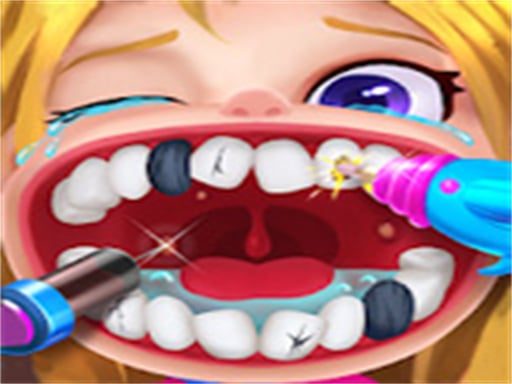
For a slightly older child, Superhero Dentist Surgery Game For Kids looks at the same topic from the dentist's chair. Each patient gets a clean first, then the decay is removed, and finally a filling, whitening or a brace. The art is cartoon style with nothing gory in it. The game's own tip suggests exactly what we would: talk about the real-life version of each step.
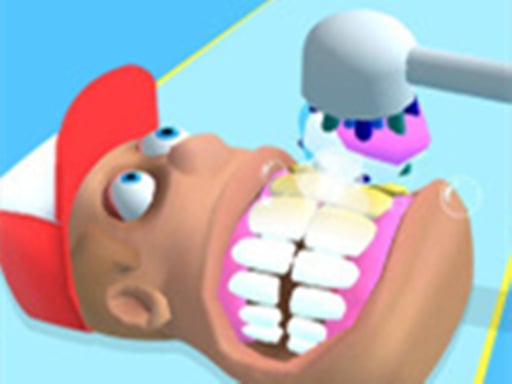
If your child needs to move, Teeth Runner turns the theme into a running game. The character runs on their own; you steer left and right and hold the brush over dirty teeth, and hitting the muck on the path makes the brush dirty and slows the cleaning. This is a speed game, not a routine game. Still, the idea that grime slows the brush is handy when you explain why we rinse it. Levels get harder as you go, so it suits kids of about six and up.
Cleaning and tidying
Baby Happy Cleaning has you clean up a messy baby, a bike, a pile of laundry and a chaotic kitchen. The order never changes: pick up the rubbish and big dirt first, then sponge and soap, then rinse, then dry. You cannot skip a step. If tidying the bedroom always ends in an argument, borrow that idea of a fixed order: toys off the floor first, then the desk, the bed last. There is no separate hand-washing game on the site; the bath step in Baby Good Habits is enough to start that talk.

The table and the lunch box
Baby Taylor Learns Dining Manners follows a picky eater who keeps forgetting the rules at the table. Each scene offers two or three choices: how to hold a fork and knife, sharing food, waiting your turn. A wrong pick is not punished; you see what happens and try again. The text inside the game is in English, but the scenes are visual, so it works well to play together and say the options out loud.
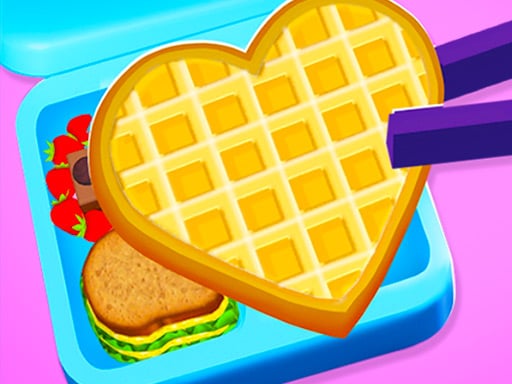
Lunch Box Ready is really a calm packing puzzle: fit the sandwich, fruit and snacks into the box with no gaps. On a phone you rotate pieces with two fingers. The habit part comes afterwards: packing tomorrow's real lunch box together turns a chore into a small mission.
Sorting rubbish
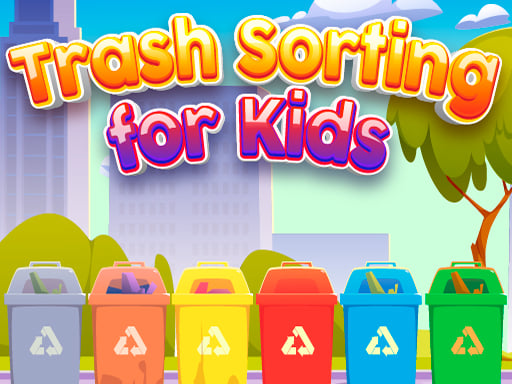
Trash Sorting for Kids asks you to drag each item into the plastic, paper or food waste bin. Anything dropped in the wrong bin comes back, and the icons on the bins act as hints. The game itself points out that local rules can differ a little. After playing, take a quick walk round your own bins at home and match them to the ones on screen; that is the shortest route from the game to the kitchen.
Which one to start with, by age
For ages three to five, Baby Good Habits and Trash Sorting for Kids are easy openers; both need nothing more than tapping and dragging. Baby Happy Cleaning works at this age with an adult sitting close. Between five and seven, Dining Manners and Superhero Dentist come in, as kids now have the patience to talk through the options. From about six, Teeth Runner and Lunch Box Ready are more fun. These ages are only a rough sketch; your child's interest counts for more than any chart.
From the game to the bathroom
- Open the game right before the routine: the teeth game five minutes before brushing, the table game before dinner.
- Ask about the step they got stuck on: "What happened in the game when you missed the back teeth?"
- One game, one habit: mixing the table game and the teeth game in the same evening muddles the message.
- Celebrate the real behaviour, not the score in the game.
A note on time and safety
All seven games are built from short levels, so it is easy to limit play by level rather than by minutes: one day, one patient, one lunch box. The games come from outside providers, so ads may appear inside the game; stay nearby while a young child plays. For general safety checks, see our guide to safe games for preschoolers. The full set of care-themed games is in the baby care games guide, and dentist and clinic games are gathered in the doctor games guide. You will find more in the Kids, Educational and Cooking categories.
A checklist for parents
- Which real routine does this game connect to, and have you told your child?
- Is a wrong choice punished, or can your child simply try again?
- Does the game need reading, and if so, are you sitting with them?
- Is there a clear place to stop when a level ends?
- After the game, did you do the same step together for real?
Frequently asked questions
Do these games really teach good habits?
Not on their own. A game shows the order and opens the conversation; the habit comes from doing the real thing every day at home. The page for Baby Good Habits describes the game the same way, as a reminder tool.
Can they play on a phone?
All seven work on a touch screen. Lunch Box Ready needs two fingers to rotate pieces, so a tablet is easier for small hands.
Which one suits the youngest children?
Baby Good Habits. The steps are shown with pictures, and picking the wrong item just means the scene waits for the right one.