Spot the Difference Games for Kids and How to Play Them Well
A spot the difference game puts two almost identical pictures next to each other and asks your child to click every change: a missing button, a bow tied the other way, a flower that swapped colour. That is the entire rule set. No reading, no timer in most versions, no menu to learn, which is why the format keeps working for children who are still too young for anything with instructions.
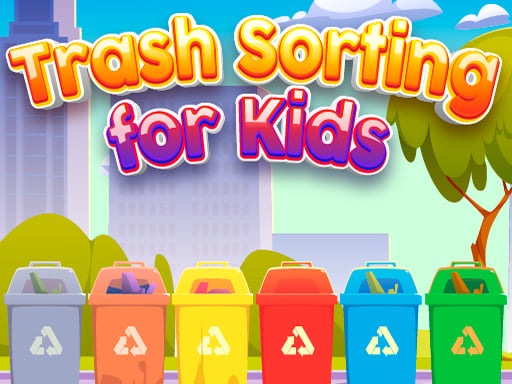
Two games on Oyun Köşesi use that idea and both run straight in the browser, with nothing to install and no account to create. Happy Valentines Day Spot the Difference gives you the classic pair of pictures: you click a change on either side, the game marks it, and the counter drops until the level is done. Trash Sorting for Kids is a different shape of the same looking skill, where the child has to notice what an object is made of before dropping it in a bin.
What the puzzle is actually training
It is worth being plain about this rather than promising anything grand. Comparing two pictures is visual discrimination: holding one image in your head while you check another one against it. That is the same act a child performs when telling b from d, or when finding their own coat among fifteen identical ones.
- Careful looking instead of quick guessing, since random clicking gets marked as a miss
- Working through a picture in order rather than letting the eyes wander
- Naming things out loud, if you play alongside them, which quietly builds vocabulary
- Sitting with one task for a few minutes without a countdown pushing from behind
None of that turns a puzzle into schoolwork, and it does not need to. The point is that the game rewards patience, and children notice the reward.
Teach the sweep, not the guess
Most children scan the whole picture at once and hope something jumps out. Show them the slower method instead: compare the two top corners, then the middle band, then the bottom strip, one zone at a time. Finding changes region by region beats random clicking by a wide margin, and it is a habit that survives the game.
Two more things help. Tell them to look for shape rather than colour, because a missing object or a line pointing the wrong way is the most common trick. And when a level stalls, look away for a couple of seconds; the change often stands out the moment the eyes come back to it.
Hints and wrong clicks
Hints are limited in these games, so treat them as the last move rather than the first. A wrong click carries only a small penalty: the game flags the miss and the search carries on, with no game over screen waiting. For a five year old that matters more than it sounds, because a mistake costs nothing and the child stays in the game.
Sorting as the next step
When the picture pairs get repetitive, Trash Sorting for Kids keeps the same looking habit and adds a decision. Rubbish appears in the middle of the screen and the child drags each piece into the right bin: bottles and bags into plastic, boxes and newspapers into paper, fruit peel and bread into the organic bin. A wrong drop is not punished either; the item simply comes back for another try, and the symbols on the bins are there to check against.
It is worth saying that the game teaches the basic split only, and real collection rules differ between councils. Use it as a starting point and let your own bins at home settle the details.
Both games work with a mouse and with a finger on a phone, and both are free to play. If your child is preschool age, sit next to them for the first level and say the names of what you find; after that, they will keep going without you.