How to beat your best distance in an endless runner
In an endless runner, your record depends on how far ahead you look, not on how fast your thumbs are. Watch the track well ahead of your runner and you will switch lanes a few steps before an obstacle instead of at its foot, and you will stay just as calm when the speed climbs. On top of that come two decisions: which power-up is worth chasing and which coins to let go.
The running games guide introduces the whole genre, and the one button classic has its own dinosaur game guide. This piece is about swipe runners with three or more lanes and about the temple escape style of game.
The rules, step by step
- Your runner moves forward on their own; you only steer.
- Swipe left or right, or use the arrow keys, to change lanes.
- Swipe up or press Space to jump; swipe down to slide or duck.
- Along the way you collect coins, gold or presents, and some of them unlock things for good.
- One crash ends the run, and the distance you covered becomes your score.
- The speed rises over time and there is no finish line; your only opponent is your last distance.
Because the rules are this simple, the gap between a short run and a long one comes from small habits. Each section below is one of them.
Reading the lanes: the middle and your eye line
On a three lane track, the middle is the safest place to be. Forest Dash says so directly: from the middle both escapes stay open, while an outside lane closes one of them off. If you dodged to the edge, drift back to the middle as soon as the track clears.
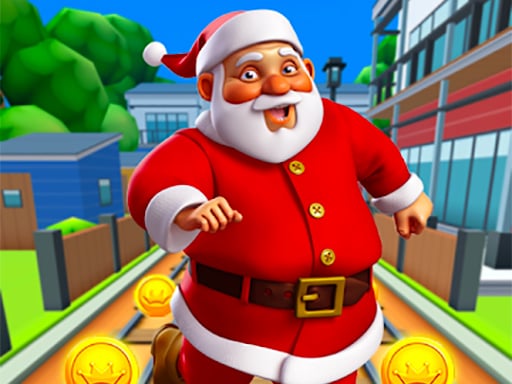
The second habit is where you look. Fix your eyes just in front of the runner and every obstacle arrives as a surprise. Look at the top of the screen instead; spotting things early makes the lane choice easy. Santa City Run is a good place to build this habit, because all you do there is change lanes. There is no jumping or sliding, so your whole attention goes up the street.
Pickups also tell you something about the lane. In Santa City Run, a lane with presents lined up in a row is usually clear. Do not treat that as a law in every game, though: in Super RunCraft a line of gold can walk you straight into an obstacle. While you follow a coin trail, check what waits where the trail ends.
Swipe early when the pace climbs
Most runs end in the same place: the moment the speed takes a clear step up. The fix is not reacting faster but deciding earlier. The tip for Super RunCraft puts it in concrete terms: your character reacts late at high speed, so change lanes a few blocks before the obstacle, not at its foot.
The second rule for the fast stretch: do not stack two moves. In Endless Run, one clean move is safer than two swipes in a row. When you are torn between a jump and a slide at a low obstacle, slide; a jump leaves you exposed as you land.
Games with a double jump shift the timing again. In RebelRun, fire the second jump over the middle of a gap, not at its edge, or it leaves you short. Let go of duck the moment the bar is behind you, or you will be late for the jump that follows.
Power-ups and coins: what comes first
Not every power-up is worth the same. A useful order of priority:
- Protection first. The skateboard in Super RunCraft shields you from crashes for a while, but the cover ends when the timer does, so do not get careless after a pickup.
- Magnet second. In Endless Run a magnet is worth a lane of detour; in Relic Runway the magnet also pulls gold from the side lanes, so staying in the middle while it lasts pays best.
- Single coins last. As the RebelRun tip says, a few coins cost less than a ruined run.
The exception is anything that stays with you. In Relic Runway, relic shards earn lasting rewards rather than score, so a small risk for one is fair. In the same game, when gold and the safe lane point different ways, take the lane.
Temple escapes: getting the turns right
Ruin themed runners such as Temple Quest add one more move on top of the lanes: turning at a corner. Make the turn one step before you reach it; turn late and you scrape the wall and lose speed. Try not to jump or slide as you approach a corner, so your hands are free for the turn.
In these games the record is not only about distance. In Temple Quest the real score multiplier comes from quests, so following the quest list earns more than simply running further. Banking a little gold and raising your upgrades before you push for distance also makes the next run last longer.
A sample run
The first half minute of Forest Dash is relaxed: hold the middle, jump the logs, grab the gold in front of you. When the speed takes a clear step up, make your first change: stop collecting gold. At that pace one needless lane change can end the run. Shift your eyes to the top of the screen, decide the moment you see each obstacle, and if you dodged to an edge, head back to the middle at the first chance. That last stretch is usually where the record grows, as long as you stay calm.
Common mistakes
- Following a coin trail blindly and missing the obstacle at its end.
- Staying in an outside lane, which leaves you only one way out at the next obstacle.
- Playing just as boldly after a protective power-up has run out.
- Stacking two moves once the speed picks up.
- Taking temple corners at the last moment.
Which game to practise with
To practise reading lanes on their own, Santa City Run and Forest Dash are the simplest choices.

For the classic jump and slide layout, try Endless Run; for a variation with a double jump, RebelRun.


For power-up and coin priorities, play Super RunCraft and Relic Runway; for turn timing and quest driven scoring, Temple Quest.
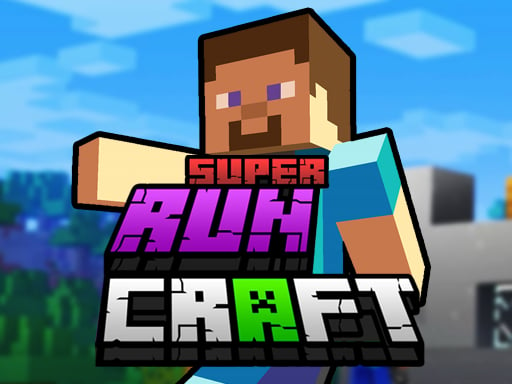 ▶Super RunCraft - Free 3D Endless Runner
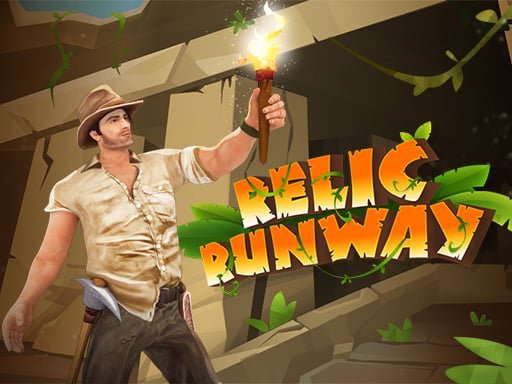 ▶Relic Runway - Free 3D Running Game
 ▶Temple Quest - Free Endless Running Game
All of them play on a phone with a swipe of the finger. For more, browse the running games and adventure games categories.
Frequently asked questions
Do endless runners ever end?
No. With no finish line, the goal is to beat your previous distance. In games like Temple Quest, progress also carries on through quests and upgrades.
I always crash at the same speed. What should I do?
At that point your reaction time is no longer enough on its own. Look further ahead, change lanes earlier and stop picking up coins. For a few runs, make getting past that one threshold your only goal.
Is my best score saved?
It depends on the game. In Super RunCraft you see your best distance during the same session, but it may reset once you close the tab.
Is it easier on a computer or a phone?
Both work. On a computer the arrow keys do the job, and some games also accept A/D and W; on a phone a swipe does the same. Forest Dash supports both keyboard and touch.