In tie-dye the binding sets the pattern: color limits and a design flow
In clothes design games, and in tie-dye above all, the binding matters more than the color. Wherever the fabric is tied or wrapped with a rubber band, the dye cannot reach, and those pale lines are what form the pattern. So the rule for a good design is short: choose the fold first, dye with three colors at most, and save decorations for the very end. The same logic carries over to sewing and accessory games too: build the piece, then color it, then add the details.
Below: the steps in order, the main folds compared, one full order dyed start to finish, and a design flow from sewing a dress to decorating a phone case.
The order of steps in tie-dye games
Real tie-dye works like this: you fold the fabric, tie it tightly with string or rubber bands, apply dye, let it dry and cut the ties. The games copy that sequence almost exactly:
- Fold and tie: you pick a shape such as spiral, stripes or rings. Tie Dye Game asks for this choice before anything else when a customer hands over their clothes.
- Dye: you take a bottle and squeeze color onto sections of the fabric. Tied parts stay undyed.
- Dry and untie: the pattern appears only when the ties come off. Until then you work blind.
- Decorate: stickers, sprayed stencil art or a short slogan. This step always comes last.
Once the dye is on, the fold is locked. A wrong color can be fixed on the next piece; a wrong fold changes the whole pattern.
Folds and the patterns they create
Three basic folds cover most tie-dye, and each gives the shirt a different personality.
Spiral
You pinch the fabric in the middle and twist it into a flat disc before tying. Unfolded, it shows arms curling out from the center. The tip from The Dye DIY fits here: dye from the center outward and the spiral sits more neatly. Give each arm its own color, like slices of a pie, and the pattern stays easy to read.
Stripes
The fabric is pleated like an accordion and tied at intervals. The result is parallel bands running across the piece. If you want something clean and sporty, stripes are the safest bet; even two colors look balanced.
Rings
You pull one point of the fabric up and tie it in several places below; it unfolds into a bullseye. In The Dye DIY, rubber bands packed close give thin rings, spaced out they give wide waves.
The color limit rule
The most common mistake in tie-dye games is using too many colors. Dyes bleed into each other, and opposites such as red and green or orange and blue turn a muddy brown where they meet. The Dye DIY says the same in its tips: put similar colors on neighboring sections, because strong contrasts mix into a murky shade.
The practical rule: three colors per piece at most, picked from neighbors on the color wheel. Think pink, purple and blue, or yellow, orange and red. Give the third color the smallest area, for example one spiral arm or the outermost ring. If you want real contrast, keep the opposite color away from its rival and leave a white band in between.
Games with customers add one more rule. Tie Dye Game advises you to avoid shades close to the customer's skin and hair, or the outfit simply fades into them. In other words, look at the person before you look at the palette.
Worked example: a T-shirt order at the beach shop
Say a customer walks into the Tie Dye Game shop with light brown hair and a deep summer tan. Their skin and hair are warm, so you rule out orange and brown straight away. For the fold you pick a spiral, because a beach tee looks good with some movement.
For color you build a cool trio: turquoise, blue and a little purple. Turquoise goes on two large arms of the spiral, blue on the arms between them. Purple only goes on the small area in the center. Once the shirt dries and the ties come off, white lines separate the arms and the three colors stay clean instead of blending into mud.
Then you spray the stencil pattern first and add the sticker after; the other way around, the spray covers the sticker, as the game's own tip warns. One sticker at chest height is plenty.
A design flow from fabric to accessory
Tie-dye is one link in a longer chain. Follow it from garment to accessory and you start making the same good decisions in every game.
The first link is sewing. In Fashion Sewing Clothes the customer shows you the outfit they want. You pick a fabric and color, guide the scissors along the pattern lines and drag the needle along the edge to join the pieces. Cut outside the line and the seam ends up with gaps. Keep lace, buttons and gems around the collar and waist.
The second link is turning a dyed piece into an outfit. Design With Me Cute Tie Dye Tops lets you choose a crop top cut (strappy, short sleeved or tie front), then fabric color, a tie-dye pattern and a slogan from a preset list. The color limit applies to text as well: if the pattern is busy, keep the slogan in one plain color. Picking the skirt or shorts from the lightest tone of the pattern balances the look.
The third link is an accessory. Phone Case DIY 2 works a lot like tie-dye: you lay a stencil on the case, spray over it, and when you lift it the design stays behind. Just as a tie blocks dye, the stencil decides where the paint cannot go. Lift it too early and the design smears. After that come pop it bubbles, stickers and gems; leaving the area around the camera hole empty keeps the case clean.
Common mistakes
- Picking a fold at random: most of the pattern is set here, and color cannot rescue it.
- Using four or five colors: opposites turn brown wherever they touch.
- Thinking about decorations before the dye: spray and stickers come last, after the fabric itself is done.
- Ignoring the customer: a shade close to their skin or hair makes the outfit disappear.
- Decorating everything: tie-dye is already lively, and scattered stickers on top tire the eye.
Which game to practice with
All five are single player and work on a phone with your finger or on a computer with the mouse. Start with The Dye DIY, which shows the rubber band step most clearly. Then practice reading customers in Tie Dye Game, outfits in the crop top game, sewing in Fashion Sewing Clothes and accessories in the phone case game.
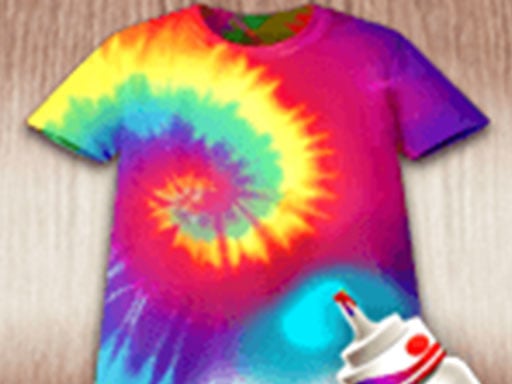 ▶The Dye DIY - Free Tie Dye Craft Game
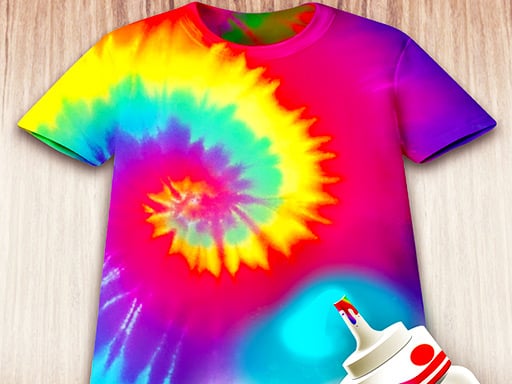 ▶Tie Dye Game - Free Beach Dyeing Shop
 ▶Design With Me Cute Tie Dye Tops - Free Fashion Game
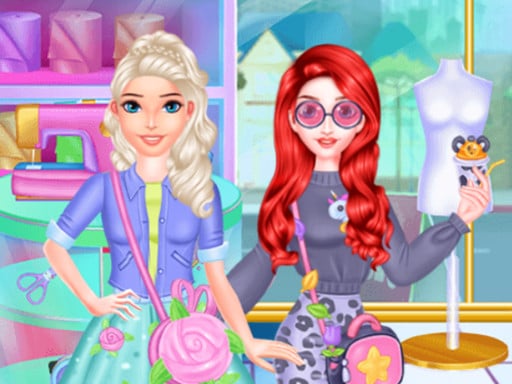 ▶Fashion Sewing Clothes - Free Dressmaking Game
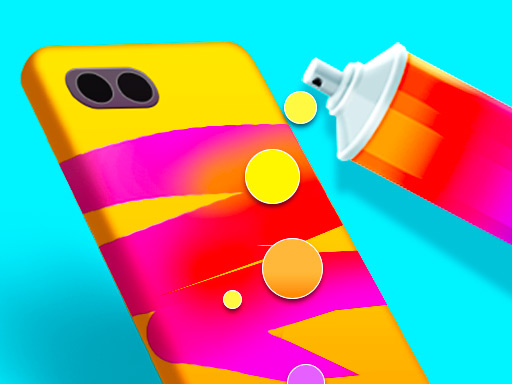 ▶Phone Case DIY 2 - Free Design Game Online
For the full map of fashion games, from hair salons to styling, read the fashion games guide. The same step order and color logic applied to fingernails is covered in nail art games. Curious about the bubbles on the phone case? See what is Pop It. Every clothing game sits in the fashion category.
FAQ
Can you lose in tie-dye games?
In The Dye DIY a wrong color can lower your order score, but the game keeps going and you try again on the next piece. In Tie Dye Game the customers keep coming, so you can finish as many orders as you like.
How many colors should I use?
There is no hard limit, but two or three neighboring colors are the safest choice. If you want a fourth, keep it small and away from its opposite.
Can I type my own slogan?
Not in Design With Me Cute Tie Dye Tops. You choose from ready-made phrases and then adjust their position and color.
Are these games good for kids?
All five use click and drag controls and move forward order by order rather than against a timer. The phone case and The Dye DIY are the easiest start; sewing asks for more patience.