Games that need focus: which kind of looking does each one ask for?
When you pick a game that needs concentration, the useful question is not whether it will make your child more attentive. It is what exactly the game asks them to look at. Focus is not one single thing. One game wants the odd object picked out of a crowd, another wants two pictures compared, a third wants a split-second answer to a shape that keeps changing. This guide sorts six free games on Oyun Köşesi by that job: what kind of looking each one demands, who it suits and how long a sitting makes sense. There are no health claims here, only a description of what each game requires from the player.
Four different ways to pay attention
A tiny vocabulary helps before the list. These four labels are not a scientific model, just a practical way to describe what happens on the screen:
- Selective looking: finding the one item that differs among near-identical ones.
- Comparing: holding two images side by side and spotting where they split.
- Reading shapes: seeing an outline and judging whether a piece fits the gap.
- Fast reaction: tracking something that moves and tapping at the right moment.
Most kids are comfortable with one of these and struggle with another. Getting bored quickly in a certain game rarely says much about their focus in general; the pace of that particular type may simply not suit them.
Six games, six kinds of looking
Contrast: selective looking
Four or five objects appear, and one of them is off by a small detail: a shade of colour, the thickness of a line or the direction a part faces. Contrast runs for 20 levels, and the differences get finer as you go. A wrong pick does not send you back to the start; you just try the same level again, which takes the pressure off children who hate making mistakes. It works with touch on a phone.

Difference Find Master Game: comparing two pictures
This is the classic two-picture layout, but with a time limit and a warning for random clicking. Difference Find Master Game rewards method: the child who clicks everywhere gets warned, the one who sweeps the picture section by section moves on. A hint button reveals one difference when they are stuck. Because of the clock it fits kids of about eight and up better. If you want the longer story on what two-picture puzzles practise, our spot the difference guide for kids covers that on its own.

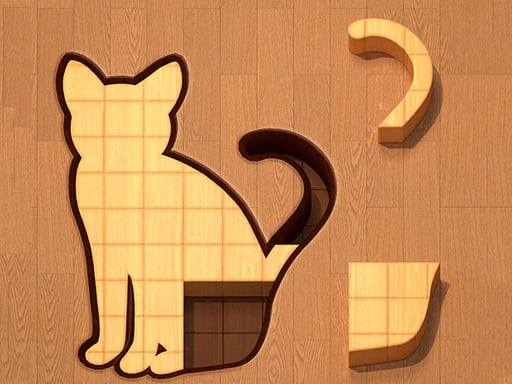
Animal Shape Puzzle: reading shapes
An animal silhouette sits at the top, loose pieces wait below. Your child drags the right piece into the outline, and a wrong one springs back. Animal Shape Puzzle needs no reading and never hurries anyone, so it is the best match here for the youngest group. Early animals are simple; later ones bring more pieces that look alike. The skill in play is not colour but outline and size.
Optical Illusion: noticing how you look
Nothing can be lost and nothing is timed. Optical Illusion offers eight images; some ask you to stare at a dot in the middle, others want the mouse moved across the picture. The shapes seem to shift, yet all of them are still. For a focus game the interesting part is this: the child tries to hold their gaze on one point and then sees their own eyes being fooled. Staring for a long time can tire the eyes, so short tries are plenty.

Match The Shapes: being ready for the next one
Shapes keep rushing in, and the player swaps the shape they hold with the arrow keys, or by tapping the left or right side of the screen, to meet each one with its twin. Hit the wrong shape and the run is over. Match The Shapes is less about calm looking and more about reading ahead: the winner watches the next shape, not the current one. The pace climbs, so it suits older kids who have outgrown the quiet games.

ColorTurntable: colour and timing
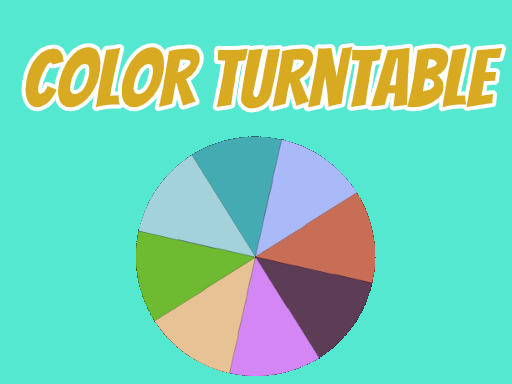
A wheel spins and the child drops a piece at the moment it will land on the slice of its own colour. Every hit makes the wheel faster; a wrong colour ends the round. ColorTurntable depends entirely on telling colours apart, so it is not a good pick for a child who finds that hard. Rounds are short, which makes it a nice one or two minute break rather than something to sit with for long.
Where to start by age
For preschoolers, quiet games without text are the easy start: Animal Shape Puzzle first, and Optical Illusion with a grown-up next to them. Between five and eight, Contrast is a good step, since mistakes cost nothing and the child sets the tempo. From about eight, the timed two-picture format and the quicker Match The Shapes and ColorTurntable can join in. Treat these ages as a rough sketch; watching whether your child is still enjoying it tells you more than any chart.
Session length, setting and talking it over
Games that need focus stay fun when sittings stay short. A few levels of a calm game or a few rounds of a fast one is enough. Once your child starts clicking or tapping at random, it is time for a break. A bright room and a screen at eye level, not too close, make hunting for small details less tiring.
One question after the game makes it stick: "How did you spot the odd one, the colour or the direction?" When kids put the answer into their own words, they also notice what they were looking at. For the fast games the question changes: "When did you first see the next shape?" Talking through small observations like these, rather than scores, carries the game beyond the screen.
These games come from outside providers, so ads may show up inside the game itself; staying nearby while a young child plays is a good idea. For similar picks, browse the Educational and Skill categories, or the full spot the difference games guide for more two-picture puzzles.
A short checklist for parents
- Does the game need reading, or can your child figure it out alone?
- Is there a timer, and does it suit their age?
- Does a wrong move restart everything, or can they carry on from the same spot?
- Does the game rely on colour, shape or speed?
- Is there a clear stopping point, such as the end of a level or round?
Frequently asked questions
Do these games help with attention problems?
This guide makes no such claim. It only describes what each game asks of the player: scanning, comparing, reading shapes or reacting quickly. If you have a real concern about your child's attention, a professional is the right person to ask, not a game.
Which one is the easiest?
Animal Shape Puzzle. There is no reading and no clock, and a wrong piece simply slides back.
Can they play on a phone?
All six games work on a touch screen. For the ones with tiny details, a tablet or a bigger screen makes life easier.