Names, shapes and vet visits: six games that start animal chats with kids
A good animal learning game opens one of three doors: the animal's name, its outline or silhouette, and how it is looked after. The six free browser games below each open one of them. Silhouette puzzles for the youngest, picture matching for slightly older children, a vet clinic for school age. All of them run on a phone or tablet with touch controls, with nothing to download and no account. None of them explains facts about animals on its own; the facts come from the questions you ask.
The real question: is seeing an animal the same as knowing it?
When a child spots a giraffe on screen, they have seen it, not learned about it. Knowing comes from questions like what is it, where does it live, what does it eat. So we picked these games by the question each one invites, not by score or number of levels. The shadow puzzle asks which animal has this shape. The vet game asks who looks after an animal when it is ill.
If you want a broad overview of animal games, from pet care to escapes, our animal games guide compares the genres. This article has a narrower job: using a game as the starting point for a conversation about animals.
Which door to open at which age
Age is only a rough signal. Move a step up or down depending on what your child can do today.
Ages 2 to 4: look at the shape, say the name
The goal here is recognising an animal's outline and naming it. No reading, no timer, no losing. Animal Shape Puzzle is the first stop: a silhouette appears at the top, your child drags the matching pieces up from below to fill it. A wrong piece simply slides back.
Ages 4 to 6: finish the picture, find the pair
Once your child can tell a cat from a rabbit, picture completion and matching come next. As the pieces multiply, you can ask where the ears go and where the tail goes. Two options work well here: Cute Animal Puzzle Game and the animal tile game Zoo Mahjongg Deluxe.
Ages 6 and up: care and speed
School-age children are ready to talk about how animals are cared for and where they live. Wild Animal Hospital Vet Doctor opens that topic, while Zoo Run turns picking a favourite animal into a game.
Six games and the conversation each one starts
They are ordered from youngest to oldest. Each card below opens the game directly.
Animal Shape Puzzle: from outline to animal
The shapes begin with simple animals; later levels bring more pieces and options that look alike. Because no reading is needed, a preschooler can carry on alone, and there is no time limit. Each time a shape is finished, say the animal's name together, then ask what sound it makes. One game, three small questions.
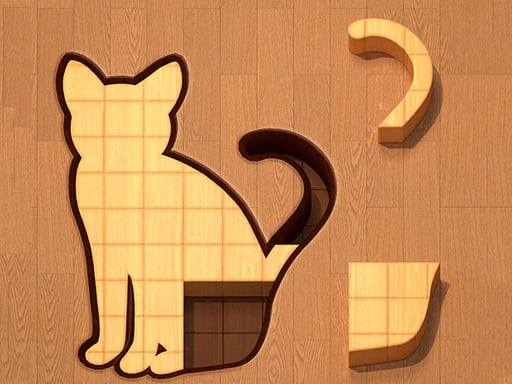
Cute Animal Puzzle Game: completing the picture
Cats, rabbits, pandas and other animals are put together piece by piece. A piece in the wrong spot will not fit and there is no penalty; finishing a level opens a new animal scene. When the picture is complete, zoom in on details: what colour is the fur around the panda's eyes, why are the rabbit's ears so long? The game does not answer those questions. You and your child look for the answers together.

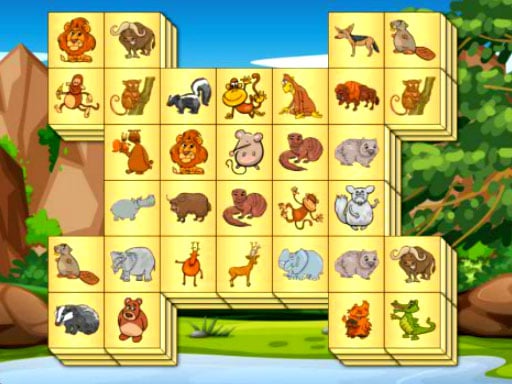
Zoo Mahjongg Deluxe: spotting the same animal
Tiles are stacked in layers, and you remove two free tiles showing the same animal. A free tile has nothing on top and an open left or right side. That rule can feel tricky for a young child, so in the first rounds point to the free tiles and let them find the pair. Naming each animal as a pair disappears turns the game into word practice. The full rules are in how to play mahjong solitaire.
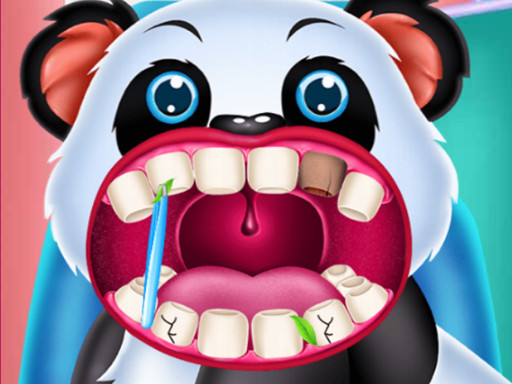
Wild Animal Hospital Vet Doctor: care and treatment
Lions, elephants and monkeys arrive at the clinic. You drag cotton wool, spray, a bandage and a syringe to the marked spot on each patient. The order is fixed: the wound has to be cleaned before the bandage goes on. The drawings are cartoon-style and the treatment steps are softened for children. After each patient, asking where lions live or what elephants eat turns the game into a small nature chat. For similar games, see our doctor games page.
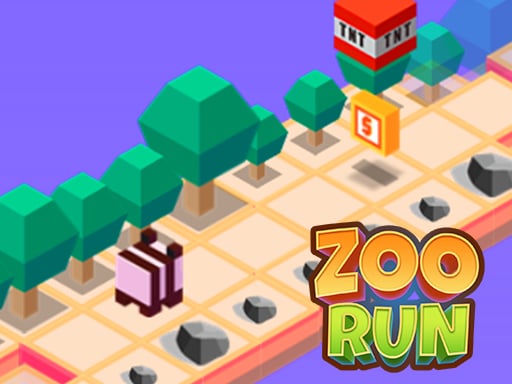
Zoo Run: pick an animal and run
Choose one of eight animals and dodge obstacles on a track that never ends. You steer by moving the mouse or tapping the screen; the speed keeps rising and a crash ends the run. The animals differ in looks only. The learning part happens on the selection screen: go through all eight animals by name before you start, and let your child choose a favourite and explain why. Because it needs quick reactions, it suits older children better.
Bubble Shooter Pet Match 3: a calm break
To be honest, the real task here is matching colours. Three bubbles of the same colour pop together, and the game ends if the pile reaches the line at the bottom. The animals sit on the bubbles as decoration. You can still count them or ask how many kittens are left. If aiming is the part your child enjoys, our bubble shooter tips cover bank shots and more.
More options live in the Animal category. Washing and feeding cats and dogs is a separate topic, covered in pet care games.
After the game: keep the animal talk going
A few minutes of play are worth most when the talking continues after the screen goes off. Some ideas that work:
- Draw the outline of an animal from the shadow puzzle on paper together.
- Ask your child to line up the vet's patients from biggest to smallest.
- Play a pairs game with toy animals at home, just like mahjong.
- At the park or the farm, compare a real animal with the one from the game.
Safety and screen time
Browser games can show ads between rounds, so stay close in the first sessions in case little fingers tap one by mistake. Menus are often in English, but silhouette and picture games need almost no reading. For more options, see games for kids who can't read yet. Agreeing on the time before you start and stopping after one shape or one patient keeps the just-one-more bargaining short. Our parents' guide to safe browser games goes into more detail.
Quick checklist before you start
- Does your child know the names of five or six common animals?
- Does the game you picked need dragging or fast reactions?
- Do you have one animal question ready for after the game?
- Are you nearby for ads and menus in the first rounds?
Frequently asked questions
Which game should we start with?
Animal Shape Puzzle, for a young child who cannot read yet. There is no time pressure, the only move is dragging, and every finished shape means one more animal name.
Will the vet game scare a young child?
According to the game's own description, the drawings are cartoon-style and the treatment steps are softened for children. If your child has never seen a syringe, play alongside and explain what each tool is for.
Do these games teach animal facts by themselves?
No. They show an animal's shape, picture or care steps. Facts such as where it lives or what it eats come from your questions and the answers you look up together.