How to get the longest launch: the right angle and the first upgrade to buy
The short answer to going further in a launch game: when the game lets you pick the angle, start at 45 degrees and then try a little lower; stop the power meter at its peak; and spend your first coins on launch power, nothing else. In distance games most of the ground is covered by the opening hit. Boosts and bounces in the air only stretch what that first hit gives you. Below you will see why these three rules work, when they break, and how to apply them game by game.
How a launch round works
Almost every game of this type runs the same loop. You send the character off, you try to carry it a bit further while it is airborne, it stops, you get paid for the distance, and you put that money into gear for the next round. One perfect shot matters less than starting each round a little stronger than the last.
- Launch: the angle and power are either fixed by the game or left to your timing.
- Air time: bombs, a jetpack, an extra push, or slamming into the ground to bounce.
- Stop: the round ends when the character sticks to the ground or runs out of speed.
- Upgrade: the money raises values such as power, bounce or fuel.
Shoot the Turtle is that loop in its purest form: a cannon fires the turtle, you push it along with bombs, and you light the jetpack as it starts to drop. There are no levels; every round is a distance attempt. Mr Bouncemasters 2, on the other hand, hands you the angle and the power as two separate steps, which makes it the best place to test the 45 degree question.
What the 45 degree rule says, and where it fails
You probably met this in a physics class: an object thrown from flat ground that lands at the same height travels furthest at 45 degrees with no air resistance. Aim steeper and it climbs but does not go forward. Aim flatter and it moves fast but hits the ground early. 45 degrees is the balance point.
In games the rule drifts for three reasons. First, the character is often launched from a raised spot rather than the ground, and the higher the launch point, the lower the best angle. Second, many games slow objects down in a way that works like drag, which again favours flatter shots. Third, and most important, in bouncing games part of the distance is earned on the ground: a character that slams in steeply loses its speed, while one that comes in flat skims and bounces onward.
So in practice: try the first shot around 45, the next one a bit flatter, the one after that a bit steeper. Stay with whichever gave the longest round. In games that leave you only the timing and not the angle, you can skip this entirely; there it all comes down to power and what you do in the air.
A worked example: where the first coins go
Say you just played your first round of Mr BounceMaster. The penguin took off, bounced once or twice and stopped fairly short. You have a small pile of gold, and the shop shows hit power, bounce and extra gear side by side. The tempting move is one level of each. The right move is to put everything into one line: launch power.
A stronger opening hit keeps the penguin airborne longer, so it has more chances to reach the helpers and balloons that lift it. Power widens the space where every other upgrade can do its job. Buy bounce on top of a weak start and the penguin never has enough speed to use it, so the money is wasted. Rounds two and three go into power again, and only then bounce or the air boost.
Upgrade order: power, then reach, then extras
The tips built into these games point the same way: launch power first. What comes after depends on the game, but a general order looks like this.
- Launch or cannon power: raises the floor of every round.
- Air reach: bomb count, fuel, an extra push or bounce ability.
- Bonus and helper gear: you meet more of it anyway once rounds get longer.
In the turtle game, whether fuel or bombs come after cannon power depends on how you play. If you are good at setting off bombs just as the fall begins, more bombs pay off. If you like short jetpack bursts that hold your height, fuel gets you further. For the same kind of thinking in another genre, see what to upgrade first in idle clicker games.
When to stop the power meter
On a meter that swings back and forth, watch the peak, not the moving bar. The bar seems to hang for a split second near the top; click slightly before that moment, because your hand reacts later than your eyes. The same reflex helps in pool and golf games; our guide to power and aim in pool, bowling and golf covers it in more detail.
Drag and release aiming is a different story. In puzzles like Super Rocket Buddy, pulling back to full power usually overshoots. A medium shot is more likely to bounce off a wall or a ramp and drop into the target zone. There, accuracy is scored, not distance.
Common mistakes
- Spreading coins across every upgrade: no single value rises enough to notice.
- Using a bomb or boost at the very top of the arc: a push stretches the path more when the fall is just starting.
- Burning all the jetpack fuel in one press: short taps keep you up longer.
- Bouncing too early: click before the penguin touches the ground and the momentum is wasted.
- In puzzle launchers, changing the angle completely after every shot: watching the last shot and making a small correction gets results faster.
Which game to practise with
If you want to train angle and power timing separately, start with Mr Bouncemasters 2. The meter stops one step at a time, so you see right away which step went wrong.
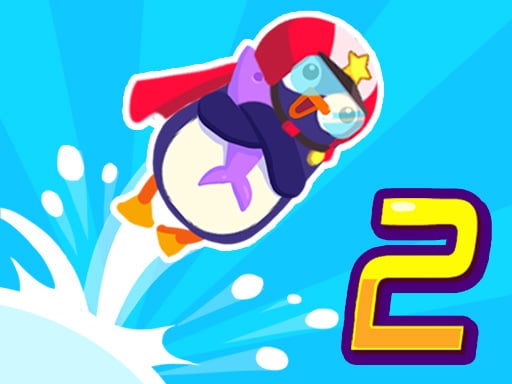
To learn when to use your air moves, the turtle game is a good place. One click fires, one click sets off a bomb, and on a phone the same tap does the job.

If you want to get used to bounce rhythm, the first Mr BounceMaster is the one: your first click decides the launch, the later ones decide the boost and the bounce.
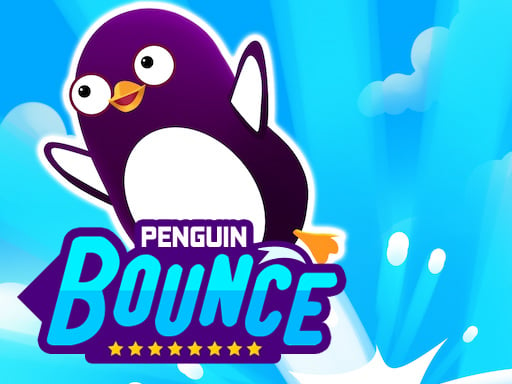
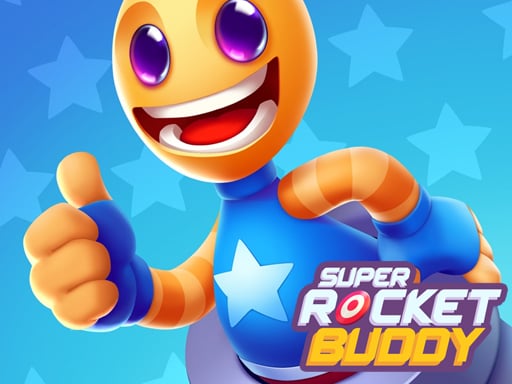
If you would rather hit a target than chase distance, the rocket buddy puzzle makes you rethink the angle on every level. A wall bounce often beats a direct shot there; the angle logic from our ricochet shooter guide carries over nicely.
For a calmer pace, Clever Crow uses a slingshot pull to drop stones into the narrow neck of a jug. On windy levels you aim slightly higher; levels with a limited number of stones teach you to think before each throw.

All of them are short-round games you can play with one hand. You will find more like them among our arcade games and skill games.
Frequently asked questions
Is 45 degrees always the best angle in launch games?
No. 45 degrees gives the longest throw on flat ground with no air resistance. If the character is launched from a height or keeps bouncing along the ground, a slightly flatter angle usually goes further. Try a few angles and compare.
What should my first upgrade be?
Launch or cannon power. Most of the distance comes from the opening hit, and a strong start gives every other upgrade more time to work.
Do upgrades disappear when I close the game?
It depends on the game. In Mr Bouncemasters 2 upgrades stay in the game, but clearing your browser data can reset them. In the first Mr BounceMaster they keep stacking until you close the game.
Can I play these on a phone?
Yes. All five games here support touch screens; you tap the screen instead of clicking, or pull and release with your finger.